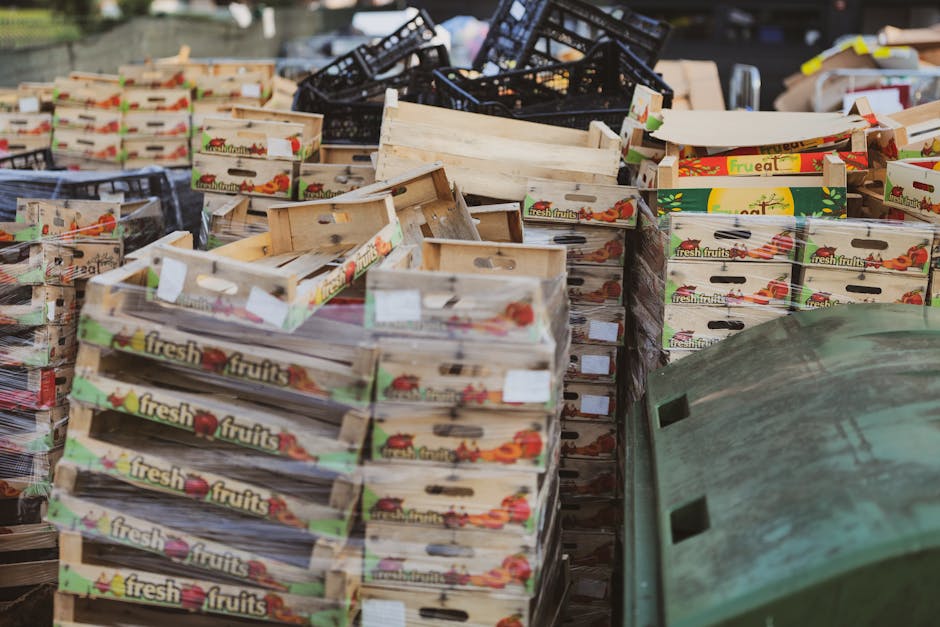
Cheap rubbish clearance Brick Lane E1 for market traders
If you trade on or around Brick Lane, you already know the rhythm: early set-up, busy footfall, a quick pack-down, then a pile of cardboard, packaging, broken display bits, food waste, and the odd awkward item that somehow ends up in the van. Finding cheap rubbish clearance Brick Lane E1 for market traders is not just about keeping costs down. It is about clearing space quickly, avoiding missed collections, and staying presentable for the next trading day. And, to be fair, nobody wants to start Sunday morning with bins overflowing before the kettle's even boiled.
This guide explains how local clearance for traders works, what it usually suits best, where the hidden costs tend to appear, and how to choose the right method without overpaying. We will also look at practical compliance points, compare options, and share a simple checklist you can use before you book.
Table of Contents
- Why Cheap rubbish clearance Brick Lane E1 for market traders Matters
- How Cheap rubbish clearance Brick Lane E1 for market traders Works
- Key Benefits and Practical Advantages
- Who This Is For and When It Makes Sense
- Step-by-Step Guidance
- Expert Tips for Better Results
- Common Mistakes to Avoid
- Tools, Resources and Recommendations
- Law, Compliance, Standards, or Best Practice
- Options, Methods, or Comparison Table
- Case Study or Real-World Example
- Practical Checklist
- Conclusion
- Frequently Asked Questions
Why Cheap rubbish clearance Brick Lane E1 for market traders Matters
Market trading in Brick Lane has its own pressures. Space is tight, access can be awkward, loading windows are short, and waste builds up fast. If you sell food, fashion, homeware, vintage stock, or mixed goods, even a small stall can produce more rubbish than you expect. Packaging alone can fill bags quickly. Add damaged stock, broken hangers, pallets, shrink wrap, or food-related waste and suddenly you are dealing with a real logistical headache.
The reason cheap clearance matters is simple: overheads in market trading are already under pressure. Rent, stock, transport, staffing, and pitch fees can eat into margins. Waste removal should not become another painful fixed cost. That said, "cheap" only works if the job is done properly. A bargain clearance that is late, unreliable, or leaves you sorting the mess again is not really cheap at all. It is just disruptive.
For traders, the most valuable service is often the one that keeps the pitch tidy without slowing down trading hours. A dependable clearance plan can help you:
- keep walkways clear for customers and staff
- prevent stock damage from clutter and spillover waste
- reduce the chance of complaints from neighbouring traders
- stay ready for inspections or end-of-day checks
- avoid paying for oversized or poorly matched waste services
There is also a reputation angle. A neat, well-managed stall feels more trustworthy. Customers notice. They may not say anything, but they see the difference.
How Cheap rubbish clearance Brick Lane E1 for market traders Works
In practice, trader-focused rubbish clearance is usually arranged around collection timing, waste volume, and access. That may sound obvious, but the details matter more than most people realise. A stall that closes at 5pm in a narrow lane will need a very different clearance approach from a pop-up unit with easy rear access.
Most services follow a fairly simple process:
- Assess the waste type and amount. This helps determine whether you need a small load, a repeated collection, or a same-day pickup.
- Choose the right collection method. For some traders, a simple rubbish removal visit is enough. Others prefer wait and load skip hire because it avoids leaving a skip on a busy street.
- Set the timing carefully. Early morning, after close, or between market rushes can make a huge difference.
- Separate recyclable material. Cardboard, clean plastic wrap, and some wood may be handled differently from general waste.
- Clear and confirm. Good communication matters. A driver turning up to find blocked access is a common reason jobs run late. Bit of a pain, really.
For traders with particularly limited access or time-sensitive clearances, services like same-day skip hire or grab hire services may be more practical than a standard next-day arrangement. If waste is being produced all day and needs regular removal, a trade-focused collection plan can be much easier to live with than improvising on the day.
A key point: cheap clearance does not mean dumping everything in one bucket and hoping for the best. The cleaner the waste stream, the easier it is to keep the price sensible and the service efficient.
Key Benefits and Practical Advantages
When clearance is planned properly, it does more than just remove rubbish. It supports the trading day itself.
1. Lower disruption
Brick Lane is busy, and market days can feel tight even when everything is going well. A fast, tidy clearance reduces the amount of time you spend stopping trade to deal with rubbish. That means less mess, fewer interruptions, and less awkward shuffling of bags around customers.
2. Better cost control
Small loads can be expensive if they are treated like generic household waste. By matching the service to the amount you actually need removed, you avoid paying for unnecessary capacity. If you want to compare formats before booking, it helps to review skip sizes and prices so you have a rough idea of what is sensible for your load.
3. Faster turnaround
For traders working on tight setup and pack-down windows, speed is a serious advantage. If the waste has to be gone before the next rush, the whole workflow needs to be quick. Not glamorous, but very important.
4. Better presentation
A clean pitch or stall looks more professional. Customers may not consciously think, "What a brilliant waste strategy," but they will notice if the area feels orderly.
5. Easier recycling
Many market traders produce a lot of recyclable material: cardboard, paper, plastic film, clean packaging, and light timber. Using a provider that supports recycling and sustainability can make the process more responsible and, in some cases, more cost-efficient.
Expert summary: For market traders, the best clearance service is usually the one that balances speed, access, and waste separation. If you try to solve every job with the same method, costs tend to creep up and the process gets clunky.
Who This Is For and When It Makes Sense
This kind of service is not just for one type of trader. It works for a broad mix of businesses in and around Brick Lane.
- Food traders dealing with packaging, food prep waste, crates, and end-of-day disposables
- Vintage and clothing sellers with hangers, broken rails, damaged packaging, and display materials
- Pop-up retailers clearing temporary fixtures, cardboard, and light shopfitting waste
- Market stallholders who need regular or seasonal waste removal
- Event traders managing short-term sales setups and sudden peaks in rubbish
- Nearby small businesses that need fast, low-fuss clearance after deliveries or refurb work
It makes sense when your waste:
- builds up too quickly for standard bins alone
- cannot be left on site safely
- needs removal outside normal business hours
- includes mixed recyclable and general waste
- creates access or visual clutter problems
If you have bulky stock packaging, old fixtures, or a backroom that has quietly become a storage graveyard, you may need something broader than simple bag removal. In those cases, a service like man and van can be useful, especially where there are stairs, narrow access points, or items that need carrying out by hand.
Step-by-Step Guidance
Here is a practical way to organise a cheap rubbish clearance in Brick Lane without losing half your day to back-and-forth messages.
Step 1: Work out what actually needs removing
Separate the waste into rough groups:
- general waste
- cardboard and paper
- plastic wrap and packaging
- wood, fixtures, or display items
- bulky pieces
- anything special or restricted
You do not need a perfect spreadsheet. Just a clear, honest picture. That alone helps keep the quote realistic.
Step 2: Check how much space and access you have
Can a vehicle stop close by? Is there room to load safely? Are there time limits, bollards, pedestrians, or other traders nearby? These things matter more in busy streets than they do in a quiet industrial estate.
Step 3: Match the service to the job
For light, mixed waste, rubbish removal may be the simplest route. For short loading jobs where you do not want a container left outside, wait and load skip hire can be more practical. If you are managing bigger commercial volumes, it may be worth looking at commercial skip hire.
Step 4: Choose a sensible time slot
Try to avoid peak customer flow if possible. Early collections often work well. So do end-of-day clearances, once the rush has passed and staff can concentrate on packing down.
Step 5: Keep recyclables separate where you can
Separate cardboard, plastic film, and clean packaging from general waste. It can make the collection smoother and may support better recycling outcomes. A tidy pile is easier to handle than a mixed one, and that is just common sense, really.
Step 6: Confirm what is excluded
Some waste types need special handling. Do not assume every item can go in the same pile. If you are unsure, check what is allowed before collection. The page on what can go in a skip is a useful reference point for common categories, even if you are not ordering a skip.
Expert Tips for Better Results
A few small choices can make a surprisingly big difference to cost and convenience.
- Book before the pile becomes unmanageable. Smaller, regular removals are often easier to control than one giant panic clear-out.
- Bundle similar materials together. Clean cardboard with clean cardboard, bulky waste with bulky waste. It speeds things up.
- Keep a loading zone clear. A blocked doorway or stacked stock can slow the job down and may affect the price.
- Ask about access and timing upfront. Surprises at the curb usually mean delays.
- Use enclosed storage if theft or weather is a concern. If stock waste or reusable materials need a bit of protection, enclosed and lockable skip hire can be worth a look.
- Think in frequency, not just one-off cost. A slightly better recurring arrangement can be cheaper overall than repeated ad hoc collections.
One small thing traders often miss: the cheapest service on paper may not be the cheapest in practice if it disrupts trading hours. If a van blocks the wrong access point or arrives late, that cost shows up somewhere else. Usually in stress. Sometimes in sales.
Common Mistakes to Avoid
These are the mistakes that most often turn a cheap clearance into an expensive hassle.
1. Mixing everything together
When recyclable material, general waste, and bulky items are all thrown into one heap without a plan, the job becomes slower and messier. Sorting later is always harder than sorting first.
2. Underestimating access problems
Brick Lane is not the place to casually assume loading will be easy. Tight access, busy pavements, and parked vehicles can all affect collection. It sounds obvious, but people still get caught out.
3. Choosing the wrong collection type
A service that suits a building site may not suit a market stall. Likewise, a simple man-and-van pickup might not be enough for repeat waste from busy trading days. Matching the method matters more than many people expect.
4. Leaving waste to pile up for too long
Once waste spreads, it takes longer to clear and becomes more awkward to handle. Bags split. Boxes collapse. The whole thing gets a bit messy.
5. Not checking restricted waste
Some items need separate disposal arrangements. If in doubt, ask before the collection day. It saves embarrassment and rebooking later on.
Tools, Resources and Recommendations
You do not need fancy software to handle trader waste well. A few simple tools do the job perfectly well.
- Stackable bins or tubs for separating different waste streams
- Heavy-duty sacks for packaging, paper, and mixed light waste
- Marker tape or labels so staff know which pile is which
- A simple collection log to track what goes out each week
- A phone photo record if you regularly compare clearance volumes and costs
If your waste is part of a wider business operation, you may also want to look at related services such as office clearance for back-office clutter, or confidential shredding if you handle customer records or printed documents that should not just go in mixed waste.
And for traders who occasionally have bulky appliances, cold-storage units, or kitchen kit that has reached the end of its life, fridge and appliance removal can prevent awkward lifting and wrong disposal choices. No one wants a broken unit sitting in the way for three days. Not ideal.
Law, Compliance, Standards, or Best Practice
Waste clearance for traders is not only about convenience. In the UK, anyone producing waste has a duty to manage it responsibly. That means using a legitimate carrier, storing waste safely, and making sure restricted materials are handled properly. You do not need to become a legal expert, but you do need basic awareness.
Good practice for market traders usually includes:
- keeping waste contained so it does not blow, leak, or create a slip risk
- preventing obstruction of public walkways
- separating items that need special handling
- making sure collections are done by a reputable provider
- keeping clear internal processes for staff who handle waste daily
If your trading setup involves sharp edges, heavy lifting, fuel, cleaning chemicals, or awkward access, it is sensible to review provider information on health and safety policy and insurance and safety. Those pages do not replace your own risk assessment, of course, but they can help you understand the standards behind the service.
Where waste is confidential, fragile, or potentially hazardous, do not cut corners. Use the right route rather than the cheapest-looking one. For example, mixed commercial waste is not the same as confidential paper waste, and a broken appliance is not the same as regular packaging. Simple distinction, but an important one.
For a business-facing overview of broader waste handling, waste recycling services is another useful page to review if you want to build a more organised long-term system.
Options, Methods, or Comparison Table
The right method depends on volume, timing, access, and how much flexibility you need. Here is a straightforward comparison.
| Method | Best for | Advantages | Potential drawback |
|---|---|---|---|
| Rubbish removal | Small to medium mixed loads | Fast, simple, minimal planning | May cost more for repeated high-volume waste |
| Wait and load | Busy streets and short loading windows | No skip left behind, useful in tight areas | Requires good timing and ready-to-go waste |
| Commercial skip hire | Regular trade waste or larger volumes | Good for ongoing clearance needs | May need more planning and space |
| Grab hire | Bulky, loose, or awkward waste | Helpful where access is tricky | Less suited to very small, tidy loads |
For traders in Brick Lane, the decision usually comes down to this: do you need flexibility, or do you need volume? If it is the former, a faster collection style often wins. If it is the latter, a more structured skip-based service may be better. Easy enough in theory. In practice, the street tells you what will work.
Case Study or Real-World Example
Imagine a small clothing stall operating through a busy weekend. By closing time, the team has a stack of flattened boxes, plastic wrapping, damaged display pieces, and a couple of awkward rails that cannot be folded neatly. The owner originally planned to handle it with bin bags alone, but after two busy weeks the back area has started to feel cramped. Staff are stepping around the waste, and the space for fresh stock has shrunk.
Instead of waiting until the situation becomes unmanageable, the trader arranges a short-notice clearance. The waste is sorted before collection: cardboard together, wrap together, bulky bits aside. The team clears a loading space just before the driver arrives. The collection is quick, the pitch looks better the next morning, and the trader does not need to spend half an hour after close trying to wrestle broken bits into a tiny gap behind the stall.
That is the sort of outcome you want. Not dramatic, just smoother. And smoother is what saves money over time.
Practical Checklist
Use this before booking your clearance.
- Have I separated cardboard, general waste, and bulky items?
- Do I know roughly how much waste needs collecting?
- Is the access route clear for collection?
- Do I need a same-day or timed service?
- Have I checked for any restricted items?
- Do I need a skip, a wait-and-load service, or a van collection?
- Can I prepare the waste so loading is quick?
- Have I considered recycling where practical?
- Do I need recurring clearance rather than a one-off job?
- Have I reviewed the provider's terms and payment information?
If you are still unsure which route fits best, the pages on pricing and quotes and payment and security can help you understand how a service is normally arranged before you commit.
Conclusion
Cheap rubbish clearance Brick Lane E1 for market traders is really about smart matching: the right waste method, the right timing, and the right level of service for a busy, space-limited trading environment. If you get those three things aligned, the whole process becomes easier, cleaner, and less costly than trying to improvise each week.
The best results usually come from simple habits: sort early, keep access clear, choose the collection method that fits the street, and avoid letting waste build up until it becomes a problem. Nothing fancy. Just practical, steady organisation.
Get a free quote today and see how much you can save.
If you want to understand the wider business behind the service, you can also read more about the team on about us or use the main contact page when you are ready to ask a few direct questions. Sometimes a quick chat clears up more than a long email chain ever will.
Frequently Asked Questions
What counts as rubbish clearance for a market trader?
It usually means removing the day-to-day waste a stall generates: cardboard, packaging, broken display items, loose mixed rubbish, and sometimes bulky stock-related waste. The exact mix depends on what you sell.
Is cheap rubbish clearance Brick Lane E1 for market traders suitable for small stalls?
Yes. In many cases, small stalls are exactly the kind of business that benefits from it. The key is choosing a service sized to your actual waste, not something oversized.
What is the cheapest way to clear trader waste in Brick Lane?
That depends on volume and access. For some traders, a one-off rubbish removal job is the simplest and most affordable. For others, a timed wait-and-load collection is more efficient because no container is left behind.
Do I need a skip, or is a collection service better?
If you have regular or larger volumes, a skip may make sense. If your access is tight or your waste needs to be removed quickly without sitting outside, a collection service may be the better choice.
Can market traders mix cardboard with general rubbish?
They can, but it is not usually the smartest approach. Separating cardboard and clean packaging can make the load easier to handle and may help with recycling.
How fast can rubbish be cleared from a Brick Lane pitch?
That depends on availability and the service type. Same-day options may be possible, especially if the waste is ready to go and access is clear.
What happens if I have bulky items or damaged fixtures?
Bulky items are often handled differently from bagged waste. In some cases, man and van or grab-style collection is more suitable than a standard bag collection.
Are there any items market traders should avoid putting in mixed waste?
Yes. Anything potentially hazardous, confidential, or specially regulated should be checked before disposal. Appliance waste and certain sharp or chemical items often need separate handling.
How can I keep rubbish clearance costs down over time?
Separate waste types, avoid overfilling, book before waste becomes unmanageable, and choose a service that fits your access and timing. Small habits save money surprisingly often.
Is rubbish clearance disruptive during trading hours?
It does not have to be. With the right time slot and a ready loading area, disruption can be kept very low. Early morning or end-of-day collections tend to work best.
Should I ask about recycling before booking?
Yes, absolutely. If your waste includes cardboard, plastics, or clean reusable materials, it is worth asking how the provider handles recycling. It is better for the environment and often better for organisation too.
What if I am not sure which service to choose?
Start with the type and amount of waste, then think about access and timing. If you are still uncertain, use the pricing information and speak to the team before booking. A short conversation usually clears things up fast.