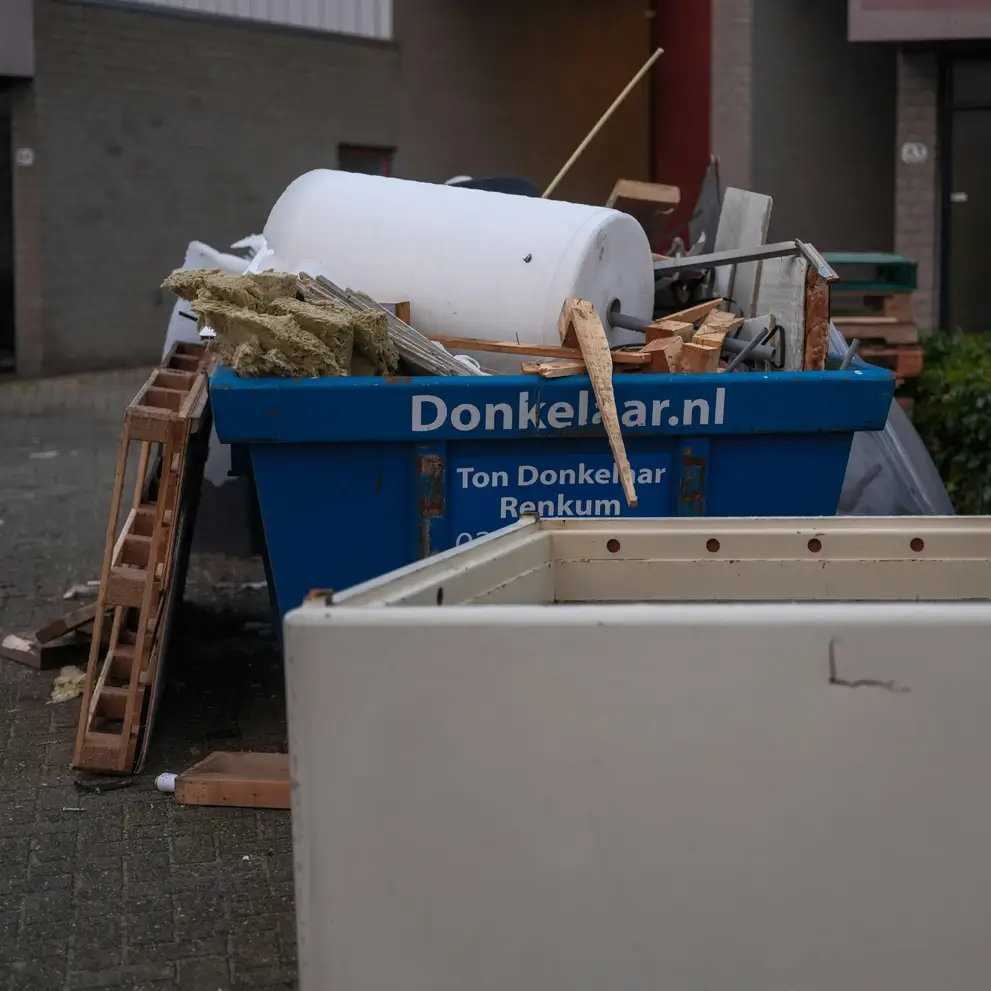
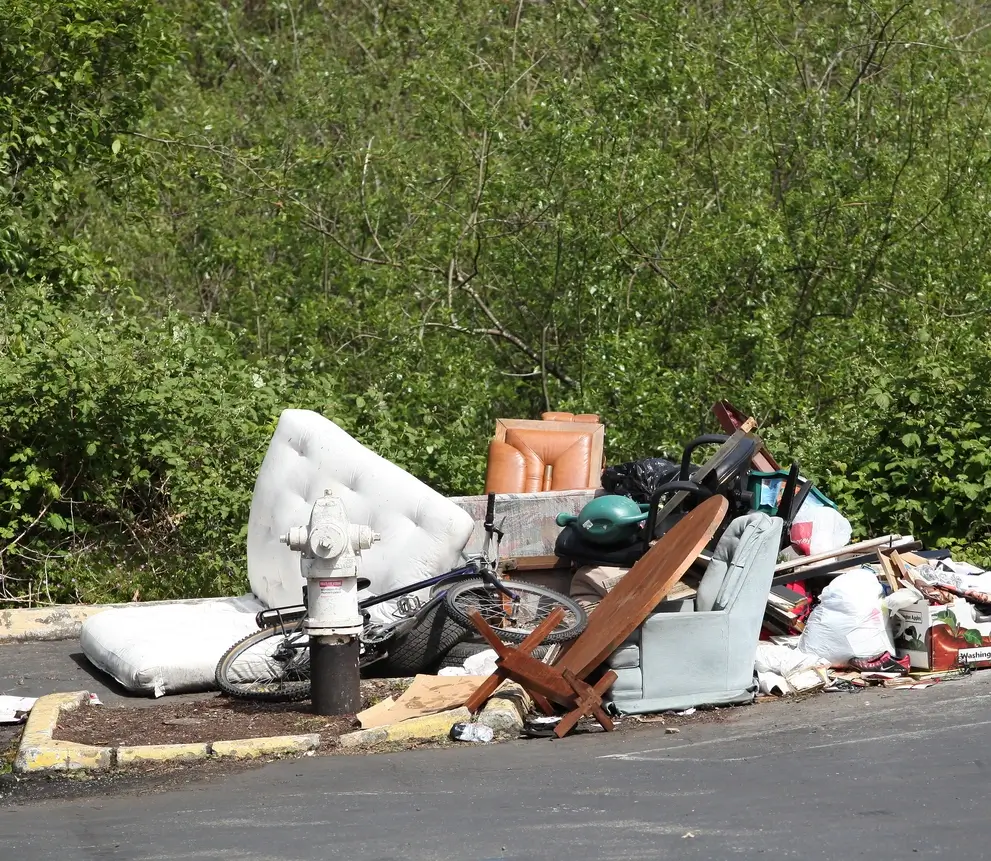
Skip Hire in Shoreditch for practical waste removal and site clearance

Skip hire in Shoreditch is a straightforward way to manage mixed waste from home improvements, office changes, builders’ work and ongoing property maintenance. It gives you a single container for approved materials, with collection arranged once the load is ready, so the job can move forward without repeated trips to a tip. Our service covers a range of skip sizes and related waste handling options for customers who need a simple, organised approach to disposal in an urban area.
We help people choose the right type of waste solution for the material, the access available and the volume involved. That may mean a traditional skip, a wait and load skip hire arrangement where space is limited, or a more targeted service where mixed waste needs separating before disposal. The aim is to keep the process clear, lawful and proportionate to the job, while making the next step easy to arrange.
If you are planning a clear-out or works programme, you can request a quotation once you have a sense of the waste type and the size of the job. A brief description of the material and access conditions is usually enough to begin. For customers who want to compare options first, our pages on skip sizes and prices and what can go in a skip are useful places to start.
Residential skip hire for home projects and clear-outs
Domestic work often needs a flexible solution, because the waste can range from old furniture and packaging to timber, soil, plasterboard and general household clutter. Our domestic skip hire service is suited to renovations, room declutters, kitchen updates and seasonal clear-outs where a structured collection point helps keep the property tidy. It is designed to be practical rather than complicated, with the container selected around the amount and type of waste you expect.
For larger household projects, a house clearance or garage and loft clearance may be more suitable than a skip alone, especially where items need to be removed from inside the property. In some cases, customers also use rubbish removal for smaller loads that do not justify a container. The best option depends on whether you want waste placed in one spot over time or taken away in a single visit.
When planning domestic disposal, it helps to think about access, parking and what is likely to be mixed into the load. You do not need a long checklist, but it is sensible to group material types where possible and separate anything restricted. If your project includes heavy rubble, timber or mixed household waste, tell us that early so the quotation can reflect the likely weight and handling requirements.
Builders’ waste and construction clearance

Building work generates waste in a different way from household clear-outs, so it benefits from services that are set up for rubble, plaster, wood, packaging and site debris. Our builders skip hire and builders waste removal options are intended for refurbishment jobs, strip-outs and ongoing works where waste builds up as the project progresses. They are useful when you want a reliable place for disposal without letting the site become crowded or unsafe.
For larger or more varied construction jobs, construction waste disposal and construction waste clearance can be more suitable, particularly where the material needs to be moved away in stages. If the work involves demolition, our demolition waste removal service supports heavier, more awkward loads that are common once walls, fixtures or structural elements have been stripped out. The right choice depends on the waste stream, the available space and how quickly the material needs to go.
- Mixed builders’ waste can often be managed in one container if the load is kept within accepted limits.
- Heavy inert material such as brick or concrete may need a different approach from light packaging and timber.
- Where access is tight, a shorter stay on site or a collection-based option may be more practical.
Skip permits, access and practical booking details
For some locations, placing a skip on the public highway may require permission, and it is important to plan for that before delivery. Our skip permits and skip permits pages cover the general route to arranging that side of the job. Where a permit is not needed, the focus shifts to access, timing and keeping the container position workable for delivery and collection.
Book online is available for customers who already know the service they need, but many people prefer to begin with a quotation request first. To make that enquiry useful, it helps to mention the property type, whether the skip will go on private ground or near a public road, and any restrictions on vehicle access. If your project is likely to involve shared entrances or limited turning space, say so early so the arrangement can be kept realistic.
Pricing is usually influenced by the size of the container, the nature of the waste, the duration on site and any extra handling considerations. That means it is better to give a clear description up front than to rely on a broad estimate. If you want a more detailed view before deciding, the pricing and quotes page can help you understand how a quotation is put together.
Commercial, office and site waste management
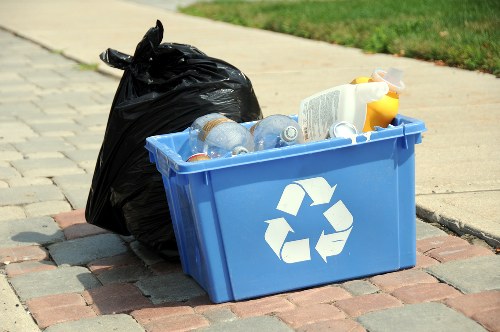
Businesses often need a disposal plan that fits around trading hours, building access and the need to keep workspaces organised. Our commercial skip hire service supports shops, offices, landlords, contractors and facilities teams that generate regular or project-based waste. It can help with packaging, fixtures, fit-out waste and mixed non-hazardous material, depending on the site and the task in hand.
Where the waste comes from office moves or internal changes, office clearance may be the better match, because it deals more directly with desks, chairs, filing and general contents removal. For outdoor or development settings, site clearance can be useful where the aim is to clear ground, remove debris and leave the area ready for the next stage of work. We also offer muck away services for heavier spoil and similar material that needs moving away efficiently.
Some commercial customers need a waste plan that stays simple for staff and contractors to use. In those cases, it is worth keeping the loading point obvious, choosing the most suitable container size and avoiding unnecessary mixing of restricted materials. If you are comparing options for a business or project, it can be helpful to ask for a quotation after you have checked access times and the main waste types involved.
Specialist waste streams and controlled disposal
Not every load can be handled in the same way, and specialist waste should be separated early so it can be dealt with appropriately. Our hazardous waste disposal page covers materials that need extra care and should not be mixed into general waste. For items such as fridges, appliances and bulky domestic goods, fridge and appliance removal offers a more specific route, while mattress and sofa disposal deals with larger household items that are awkward to move through ordinary waste channels.
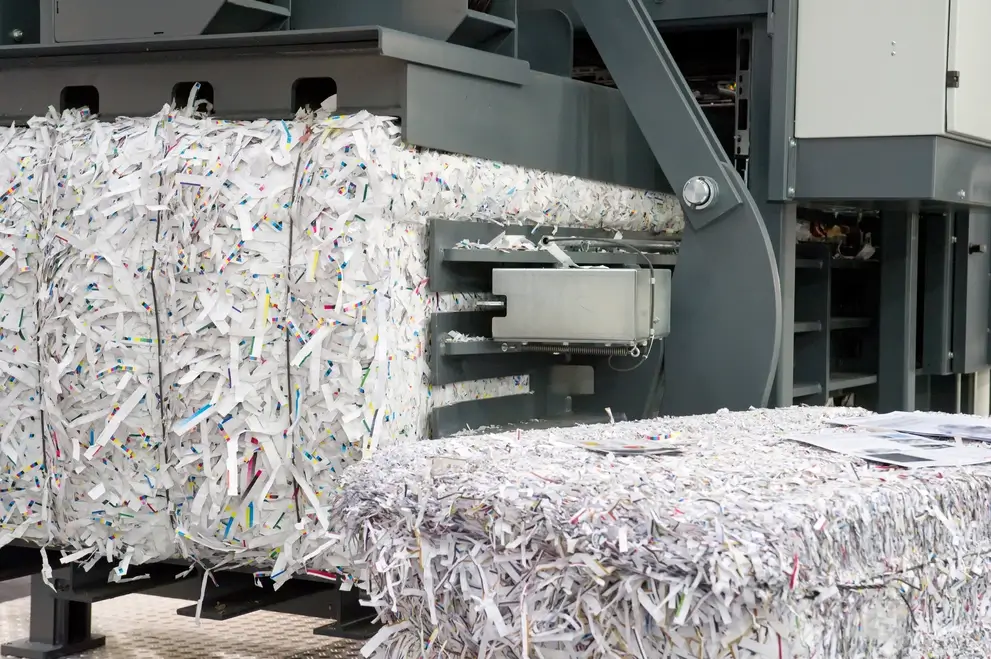
Special handling may also be required where documents and records are involved. Our confidential shredding service is intended for material that should be destroyed securely rather than placed in mixed waste. Where materials need sorting for reuse or further processing, waste recycling services and recycling and sustainability explain the broader approach to separating recoverable waste from residual disposal.
These services are not interchangeable, because each waste stream has its own handling and compliance needs. If your load includes a mix of ordinary and restricted material, it is better to identify that from the outset so the right route can be chosen. Clear descriptions save time and make it easier to avoid delays during collection or disposal.
Skip sizes, loading choices and how to prepare
Choosing the right skip is often about balancing capacity against site space. A smaller container may suit a compact property or a lighter job, while a larger option may be better where waste builds up quickly during demolition or refurbishment. Our skip sizes and prices page can help you compare the main options before you request a quotation, and it is worth checking the likely material weight as well as the volume.
The loading method matters too. Some customers prefer a skip to remain on site for several days so they can add waste gradually, while others want a quicker collection cycle to keep a frontage or work area clear. If you are unsure which approach is best, consider whether the waste will arrive in one burst or over a period of time. That difference often determines whether a skip, a collected load or a mixed approach is more practical.
Before placing an order, it is sensible to gather a few basics: the type of waste, the approximate volume, any awkward access points, and whether the container will sit on private ground or on a road. You do not need to overstate the job; a clear description is usually enough. For some customers, the simplest first step is to compare the service pages and then ask for a tailored quotation once the job shape is known.
What can go in a skip and what needs separate handling

Understanding what can go in a skip helps avoid wasted space and prevents restricted items from being mixed into the wrong load. Our what can go in a skip page gives a useful overview of common household and building materials that are often accepted, along with items that usually need a different disposal route. This is particularly helpful for mixed projects, where waste is collected from several rooms or work areas.
As a general rule, it is easier to manage a load when heavy items, packaging and soft furnishings are considered separately before loading begins. If you are dealing with loose rubble, timber offcuts, old fittings or general clutter, a single collection point can keep the job organised. But if there are appliances, specialist waste or oversized items, it may be more efficient to remove those through dedicated services rather than trying to fit everything into one container.
For customers who want a broader disposal solution, man and van services can suit smaller loads that are awkward to carry, while grab hire services and grab lorry hire can be considered for heavier, loose material. The best option depends on the volume, the waste type and how easy it is to position vehicles near the material.
About Shoreditch
Shoreditch is an inner East London district with a long history of change, from a medieval parish and later industrial growth to a twenty-first-century reputation for creative businesses, nightlife and street art. It sits close to the City of London and has been shaped by proximity to major transport corridors, former railway infrastructure and the regeneration of nearby streets and former warehouse buildings. The area’s name is often associated with a wider local identity that includes parts of Hackney and the edge of Tower Hamlets, although the historic core remains strongly recognisable in its own right. Shoreditch High Street station and Old Street station link the district to the Overground and Underground networks, while the surrounding street pattern still reflects older routes that pre-date modern redevelopment. Buildings range from surviving period terraces and converted industrial premises to newer commercial blocks, and many streets display a dense mix of uses rather than a single uniform character. Brick Lane, though commonly associated with the wider area, adds to the local sense of cultural layering with markets, food businesses and a long-running reputation for change and reinvention. Public spaces such as Shoreditch Park lie a little to the north, while nearby squares and side streets contain offices, homes, galleries and small independent premises. The result is a district whose identity has been formed by movement, adaptation and reuse over time.
Domestic and light commercial clearances
Not every job calls for a full skip on site, so it is useful to consider clearance services where items need to be carried away directly. Our rubbish removal and man and van options are suited to smaller or more awkward loads, while house clearance and office clearance support larger interiors that need contents removed in a more structured way. These services can be a better fit where access is restricted or the waste is spread through several rooms.
Clearance work is often chosen for mixed contents, items left after a move, or rooms that need to be emptied before the next stage of work can begin. It is especially useful when furniture, bags, boxed items and light debris are involved together. Because the removal takes place directly, it can reduce the need for customers to move items to a separate loading point first, which is helpful in properties where floorspace is already limited.
If you are weighing up a clearance against a skip, think about what is easiest to handle safely and efficiently. A skip suits self-loading over time, whereas direct removal suits items that are ready to leave at once. For many customers, the right answer is straightforward once the amount of waste and the access conditions are clear, so this is another good point at which to request a quotation.
Further options for waste handling and project support

Some jobs benefit from a combined approach rather than a single service. For example, a refurbishment may begin with construction waste disposal, move through builders waste removal as work progresses and finish with site clearance once the area is ready for handover. A garden project may use garden waste removal for green material and then move to a container for the remaining mixed debris.
There are also situations where a more specialised skip type is useful. Our enclosed and lockable skip hire page is relevant where contents need extra protection, while same day skip hire can be helpful when the job needs to start quickly and the waste cannot wait. These options are best considered alongside access, the type of waste and whether the load is likely to change as the work develops.
To move forward, tell us what you are clearing, how much there is and whether you have any access limits or permit concerns. That is enough for a sensible starting point and usually enough to narrow the choice between a skip, a removal service or a specialised collection method. If you are ready to proceed, send your details for a quotation and we will help you choose the most suitable route.